Locations:





Coughing away a heart attack could delay medical help
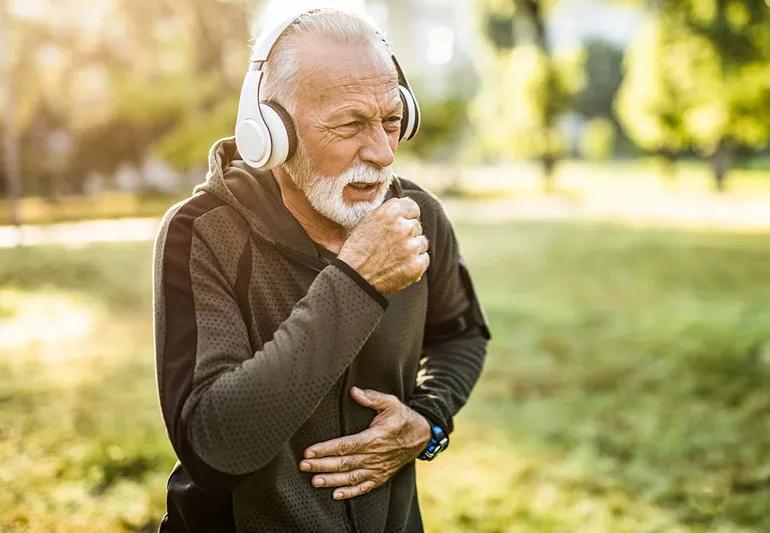
Image content: This image is available to view online.
View image online (https://assets.clevelandclinic.org/transform/75360375-6d29-44f5-bb23-ae5365b798c8/coughCPR-1176813887-770x533-1_jpg)
man coughing into one hand and clutching his stomach with his other hand
The internet is filled with misleading information and the buzzwords “cough CPR” are no different.
Advertisement
Cleveland Clinic is a non-profit academic medical center. Advertising on our site helps support our mission. We do not endorse non-Cleveland Clinic products or services. Policy
The idea of cough CPR has been circulating the web for a few years now and has a slew of misinformation attached to it. The real danger about the misinformation is that it could prevent heart attack victims from getting the lifesaving help they need. Those social media posts claim that by coughing vigorously when you have a heart attack, you can keep yourself from passing out, theoretically saving yourself until your heart starts beating normally again.
Cardiac surgeon A. Marc Gillinov, MD, and cardiologist Steven Nissen, MD, address the dangerous truth about cough CPR and what you should do instead:
Heart attacks are not the same thing as cardiac arrest.
“Information regarding cough CPR on social media misleads readers,” says Dr. Gillinov. “This confuses heart attack and sudden cardiac death because they are two different things.”
Heart attacks occur when the heart’s oxygen supply gets cut off, which is usually caused by blockages in the cardiac arteries that feed the heart oxygen-rich blood. When you have a heart attack, tissue in the heart can die. However, your heart usually keeps on beating. Cough CPR is ineffective for heart attacks.
Cardiac arrest is the largest cause of natural death in the United States. During cardiac arrest, your heart can suddenly stop beating and serious irregularity in the heartbeat (arrhythmia) can cause this. You may have a higher risk of cardiac arrest if you had a previous heart attack.
Advertisement
“Cough CPR is an effective way to maintain circulation for a minute or two following cardiac arrest,” says Dr. Nissen. “However, it’s not useful in a patient with a heart attack and shouldn’t delay calling 911.”
When cardiac arrest occurs, unconsciousness and death follow swiftly. Defibrillation is the only way to reliably reset the heart once it has suffered a fatal arrhythmia.
If you see someone collapse following cardiac arrest, call 911 immediately. You can administer approved CPR techniques to keep oxygen circulating to the victim’s brain until medical help arrives.
Coughing violently physically forces blood from the chest up to the brain because of the pressure exerted from the cough. In a clinical setting, patients might be told to cough vigorously during testing, if healthcare professionals detect specific problems. The American Heart Association notes that cough CPR could also be considered in a cardiac catheterization laboratory where the patients are constantly monitored.
“The bottom line is that cough CPR is not useful outside of a hospital setting,” says Dr. Nissen.
If you’re experiencing the symptoms of a heart attack, you should immediately call 911. Anyone who loses consciousness following cardiac arrest cannot cough, or even breathe, and needs emergency help.
If you’re witnessing a person having a heart attack, you should immediately call 911.
“The most important advice to give is: If you get chest pain or feel faint or feel an irregular heartbeat, call 911,” says Dr. Gillinov.
Advertisement

Sign up for our Health Essentials emails for expert guidance on nutrition, fitness, sleep, skin care and more.
Learn more about our editorial process.
Advertisement
Using a familiar song can help you time chest compressions to do the work of a stopped heart

These conditions involve inflammation in different areas of your heart, leading to differences in symptoms and treatments
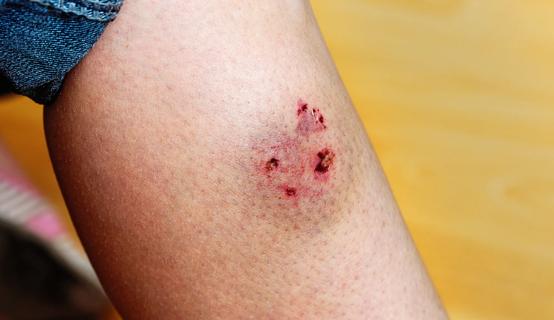
To lower the risk of infection, any bite that breaks skin should be treated by a healthcare provider as soon as possible — ideally, the same day
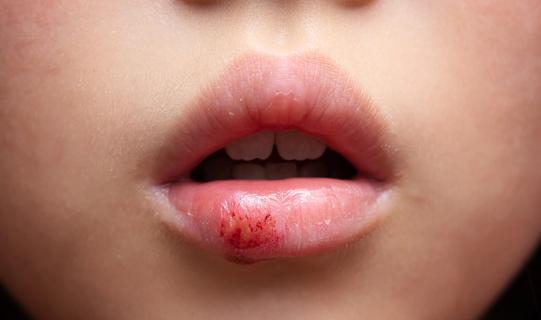
The first step is flushing out the cut with clean, cold water
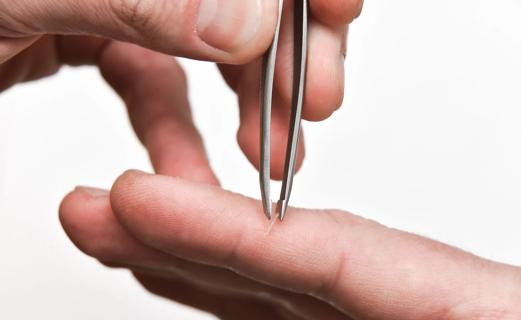
Start with the basics: Wash your hands well and clean the affected area with soap and water
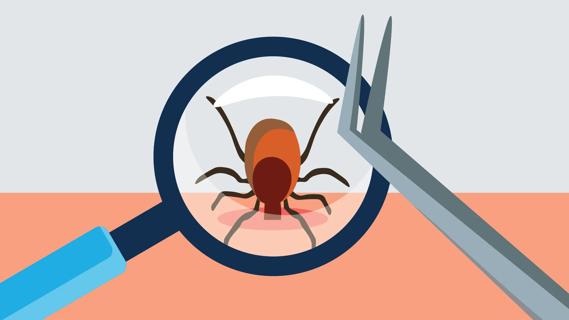
If you find a tick attached to your skin, pulling it out the right way can lower your risk of infection
Warm up the affected area slowly and seek care for severe burns
Exerting yourself in cold temperatures increases your risk of a cardiac event

Managing your weight through physical activity may lower your chances of getting this common cancer

It typically starts in October and winds down in early spring, with cases at their highest in the middle of winter

Anxiety disorders, health conditions and past trauma can make driving nerve-wracking — help is available
 Search










